



Why do so many professionals struggle to understand the significance of data catalogs despite frequent mentions across the industry? The answer lies in the gap between concept and practical application. Here is how a data catalog delivers real value, drawing from Datafi’s experience.
Data catalogs bridge the gap between concept and practical application. While the term is widely used, their true value becomes clear only when organizations see how centralized metadata management, governance, and accessibility translate into day-to-day operational improvements and better decision-making.
Centralized Metadata Management
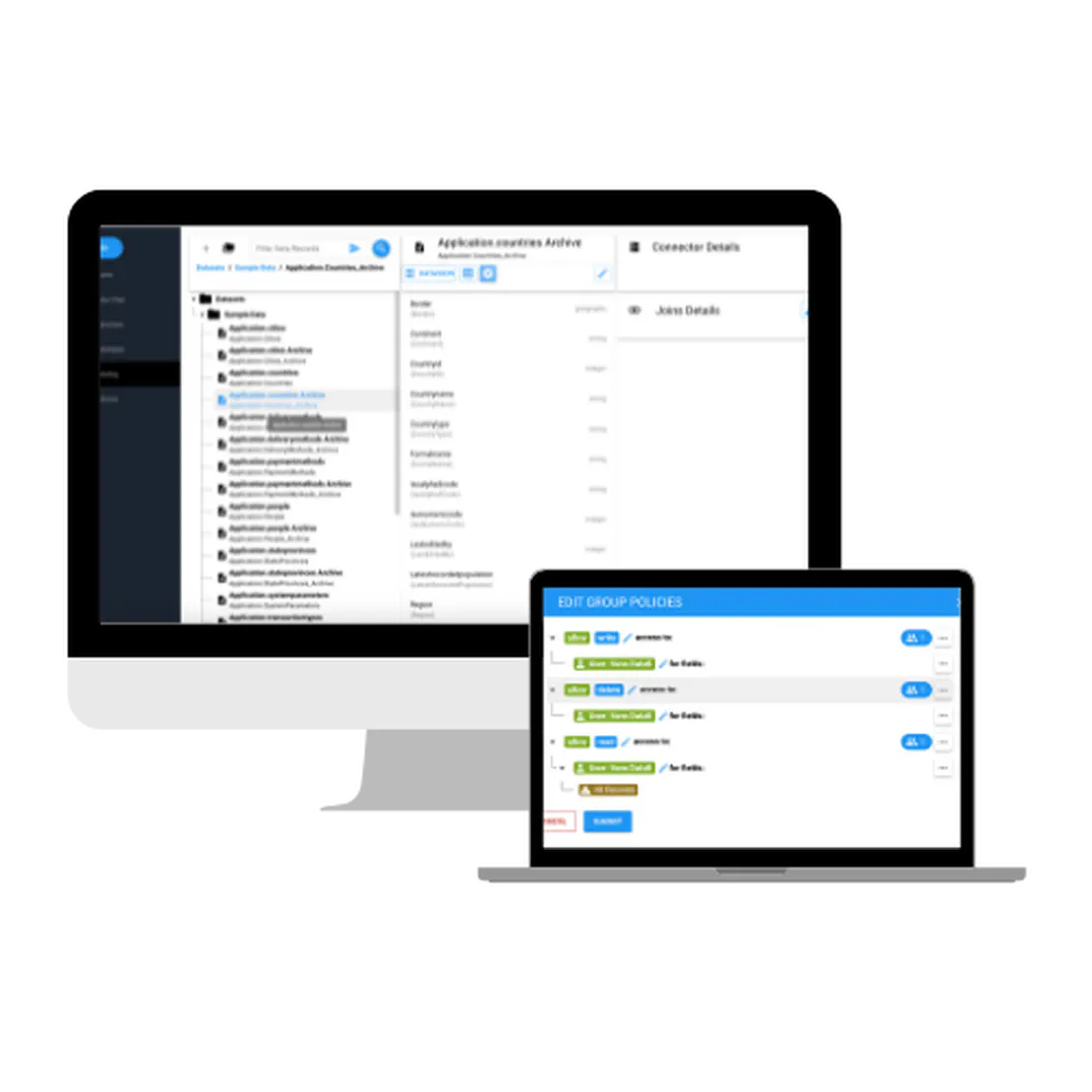
Datafi’s platform serves as a single place where you can easily manage all your data, consolidating structural details, usage patterns, and metadata in one accessible location. This centralization simplifies organizational data management and visibility, eliminating the need to navigate disparate systems to understand what data exists and where it lives.
Enhanced Data Governance and Compliance
As regulatory requirements intensify, the catalog supports compliance through detailed data lineage tracking. By monitoring data origins, transformations, and access patterns, organizations strengthen their security posture and accountability. This level of traceability is essential for meeting modern regulatory demands.
Facilitation of Data Quality and Consistency
By distributing comprehensive metadata across users, the platform enables teams to identify and correct data errors quickly. Maintaining accuracy across analytical and operational purposes becomes achievable when everyone works from the same source of truth.
Support for Data Democratization
The catalog removes technical barriers, allowing non-technical employees to understand and access data independently. This fosters organization-wide data-informed decision-making, ensuring that insights are not locked behind specialized skills or siloed teams.
Encouraging Collaboration
The platform facilitates knowledge-sharing among data scientists, analysts, and business users. By providing a shared understanding of available data assets, teams enhance their analytical capabilities and drive innovative solutions together.
Efficient Data Utilization
By increasing visibility and accessibility of underutilized datasets, organizations maximize their data investments and prevent valuable information from remaining dormant. A data catalog shines a light on assets that might otherwise go undiscovered.
Data catalogs represent transformative infrastructure supporting compliance, governance, collaboration, and an inclusive data culture across the enterprise.
The bottom line
A data catalog is not just a tool for organizing metadata. It is transformative infrastructure. By centralizing data visibility, enforcing governance, and empowering every team member to discover and use data independently, a data catalog becomes the backbone of a truly data-driven organization.