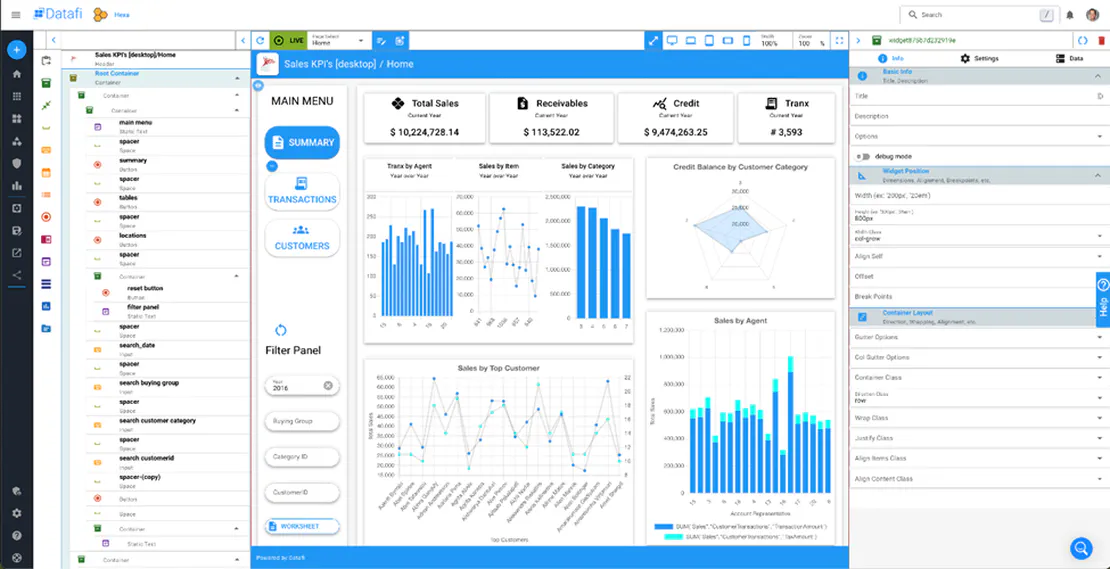




As data volumes expand, companies face substantial challenges from repeatedly documenting identical dashboards. These pain points include significant time and resource drain, increased risk of errors, delayed decision-making, and reduced flexibility and scalability.
Real-time automated business intelligence can mitigate these issues by supplying current insights, eliminating manual update requirements, and strengthening consistency and precision.
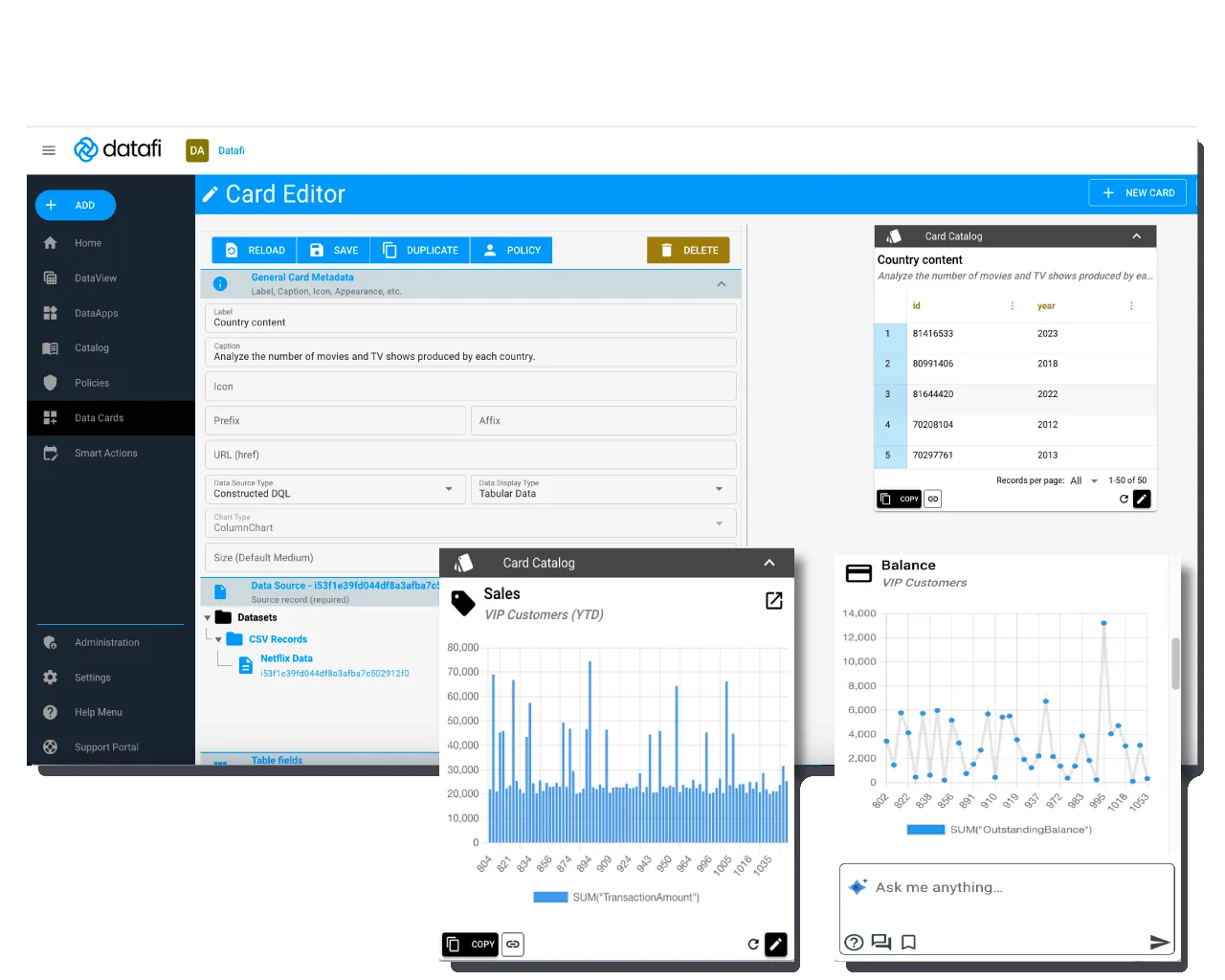
Data Cards are the building blocks for a dynamic data ecosystem. They transform raw, overwhelming datasets into manageable, automatically updated, and context-rich insight units that teams can assemble, share, and act on across every platform they already use.
Why Real-Time Data Cards Are Needed
Data Overload Simplified
Data Cards segment extensive data into digestible information units, preventing users from experiencing data overwhelm.
Automated Visualization Updates
Data Cards refresh automatically with newest information, removing manual update burdens and minimizing error potential.
Contextual Insights
Data Cards furnish enriched context, clarifying data importance and providing role-specific, objective-aligned insights.
How Datafi’s Data Cards Deliver Value
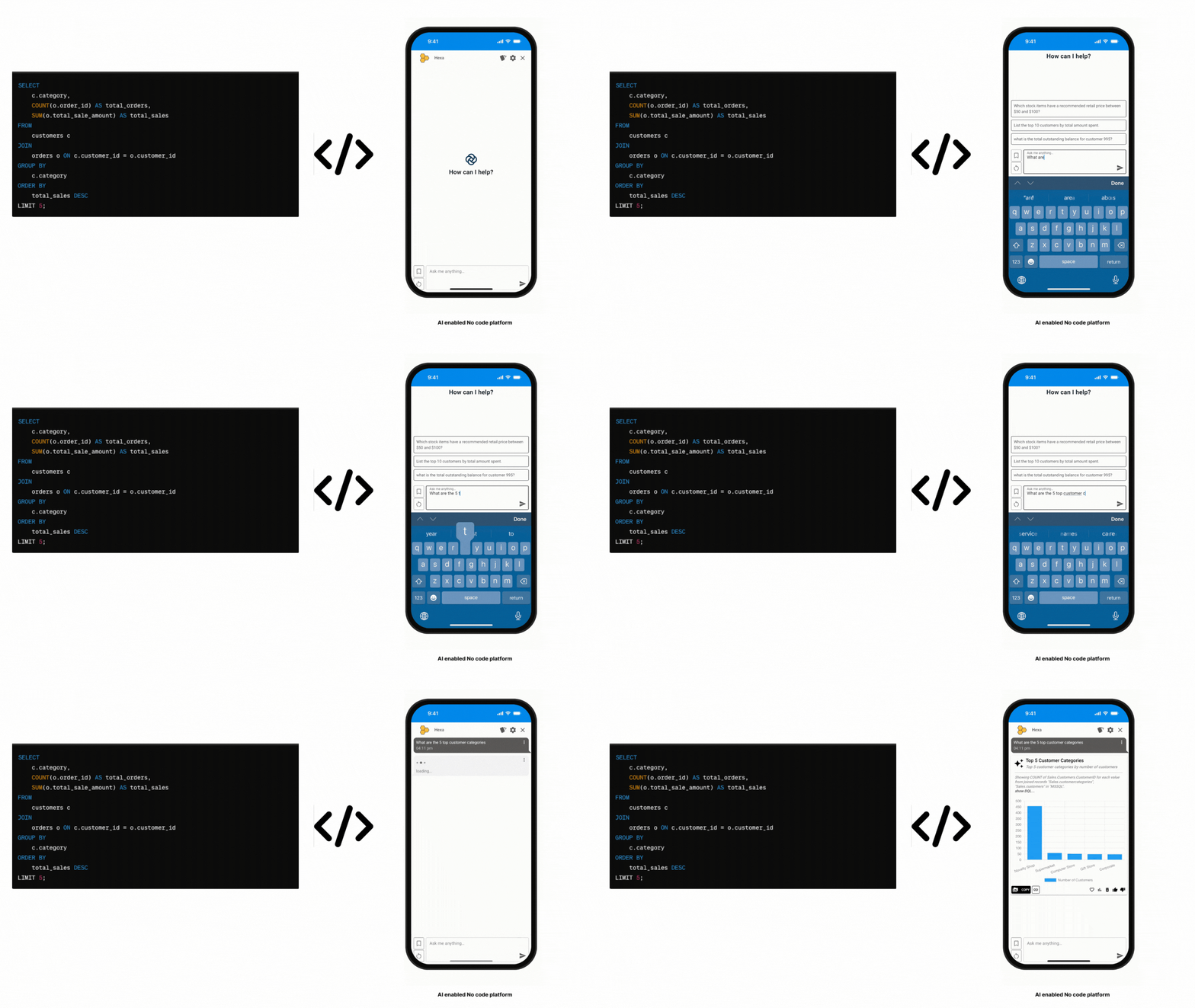
Data Cards represent the unique output of Data Chat — an AI chatbot enabling natural language data interaction with instantaneous insight delivery.
Dynamic Reporting: Interactive and Current Reports
Live Data Cards maintain continuous currency, facilitating interaction with latest datasets — especially valuable for recurring reporting activities like weekly performance assessments or monthly executive meetings.
Reusability: Custom Applications, Cost Reduction, Effortless Sharing
Users can progressively assemble Data Card collections into comprehensive applications without programming expertise. Cost savings emerge through conserving tokens for recurring questions. Collections distribute seamlessly for routine and unscheduled reporting requirements.
Versatile Integration: Workflow Flexibility
Data Cards integrate across calendar invitations, emails, Slack, and Teams, enabling real-time insight distribution.
Conclusion
Data Cards tackle overload challenges, manual update obstacles, and contextual deficiencies by streamlining presentation, automating refresh cycles, and enriching results with metadata. These foundational elements enable constructing dynamic, interactive, economical data ecosystems, empowering users to access, distribute, and leverage current insights across platforms and communications.
The bottom line
Data Cards empower users to access and leverage current insights across platforms, turning scattered data into a unified, always-up-to-date ecosystem that drives faster, more confident decisions throughout the organization.